Active
No guarantee of outcome. Results depend on skill and method.
Frequently asked questions
What materials do I need to start?
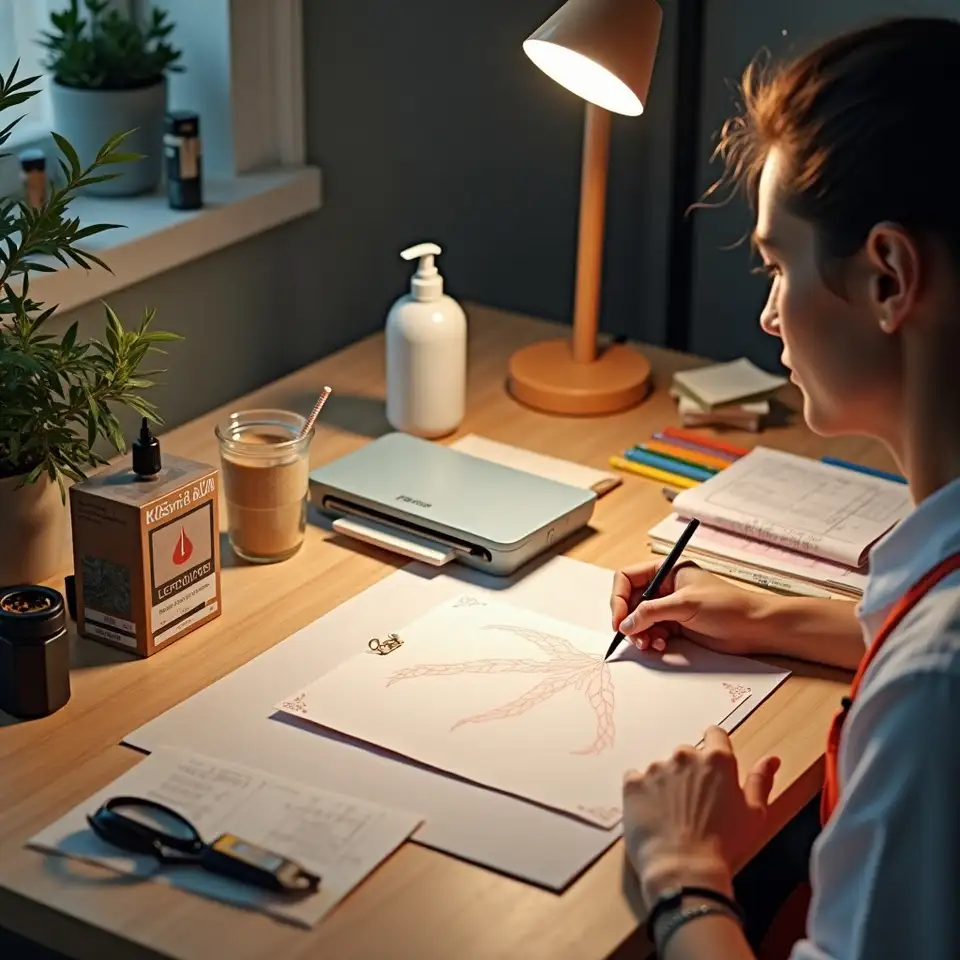
Basic card making requires quality cardstock, a reliable adhesive, cutting tools, and a selection of inks or markers. Specialty projects may need embossing powders or textured papers. Choose tools suited to your skill level and creative goals for the best results.
How do I sign up for a workshop?
Workshops are scheduled quarterly, with sessions announced on the site and through the newsletter. Booking early is recommended, as spaces are limited. Confirm your spot by following the registration instructions posted with each announcement.

Are workshops suitable for all skill levels?
Workshops cater to both beginners and experienced hobbyists. Each session specifies its intended skill level. Advanced classes cover intricate techniques, while beginner sessions focus on fundamentals and practical advice for new crafters.
Can I purchase finished cards here?
No, finished cards are not sold directly. The focus remains on technique sharing and skill development. Occasionally, cards may be displayed at community events, but the primary aim is to encourage users to craft their own pieces.

What if my cards don’t turn out as expected?
Troubleshooting is handled through step-by-step guides and community Q&A. Common mistakes are addressed in the FAQ and blog sections. For persistent issues, contact the team directly for tailored advice.
Can I contribute my own designs or articles?
Guest contributions are welcome, but must meet strict editorial and quality standards. Submit your idea through the contact form. Only work demonstrating originality and technical skill will be considered for publication.

What are the community guidelines?
Community guidelines prioritise respect, originality, and constructive feedback. Plagiarism or inappropriate conduct results in immediate removal from interactive areas. All members are expected to uphold these standards at all times.
Is my information kept private?
Yes. All personal information submitted is handled according to strict privacy standards. Details are never sold or shared outside essential site operations. Review the privacy policy for full information on your rights and data handling.
Card crafting tips and tricks
Direct advice for those seeking better results from every card. Each tip addresses a real
stumbling block for hobbyists committed to quality.
How to achieve clean cuts
Cutting
Accurate cutting is non-negotiable. Use a sharp blade and test cuts on scrap pieces first. This prevents rough edges and misaligned layers. Double-check your trimmer’s guide marks before every main cut. Even a single mistake can compromise the final card quality.
Test on scrap paper
Check blade alignment
5 minutes
Beginner
Mastering heat embossing
Embossing
Embossing demands patience and control. Use steady, even heat to activate powders without scorching. Always let the card cool completely before handling. Pressing too hard or moving too quickly can distort patterns and ruin hours of work.
Apply light pressure
Heat evenly
Let cool fully
10 minutes
Intermediate
Planning layered card designs
Design
Layering paper or mixed media elements works best when planned in advance. Sketch the intended layout and choose a cohesive colour palette. This prevents overcrowding and ensures the card communicates its intended message with clarity.
Sketch before layering
Select coordinated colours
15 minutes
Beginner
Glossary
Glossary of card crafting terms
Essential definitions for terms, materials, and techniques that every card maker will encounter. Avoid confusion and ensure clarity as you build your card crafting expertise.
Cardstock paper
A thick, sturdy paper used as the base for most handmade cards. Cardstock varies in weight, texture, and colour, affecting the card’s durability and finish.
MaterialsPaper trimmer
A device for making clean, straight cuts in paper or cardstock. Essential for precise card edges and layered designs.
ToolsHeat embossing
A process that raises portions of the card surface, creating texture or pattern using heat and embossing powders.
TechniquesCard embellishments
Decorative touches added at the final stage, such as sequins, ribbon, or stamped images. Finishing elevates both look and tactile quality.
FinishesCraft adhesive
Any glue, tape, or double-sided adhesive used to attach layers or decorations to a card. Proper adhesive selection prevents warping or separation over time.
AdhesivesAcrylic ruler
A flexible transparent ruler, ideal for measuring and aligning card components. Ensures layouts are balanced and professional.
ToolsDie cutting
Cutting paper or cardstock into specific shapes using manual or machine dies. Often used for decorative elements or precise layering.
TechniquesInk blending
A technique for colouring stamped images or backgrounds using a foam tool and ink pad. Produces soft, blended effects.
FinishesMixed media cardmaking
A style that combines different materials and media—such as paper, fabric, and paint—for rich, textured results. Demands careful composition and adherence to design principles.
Techniques